
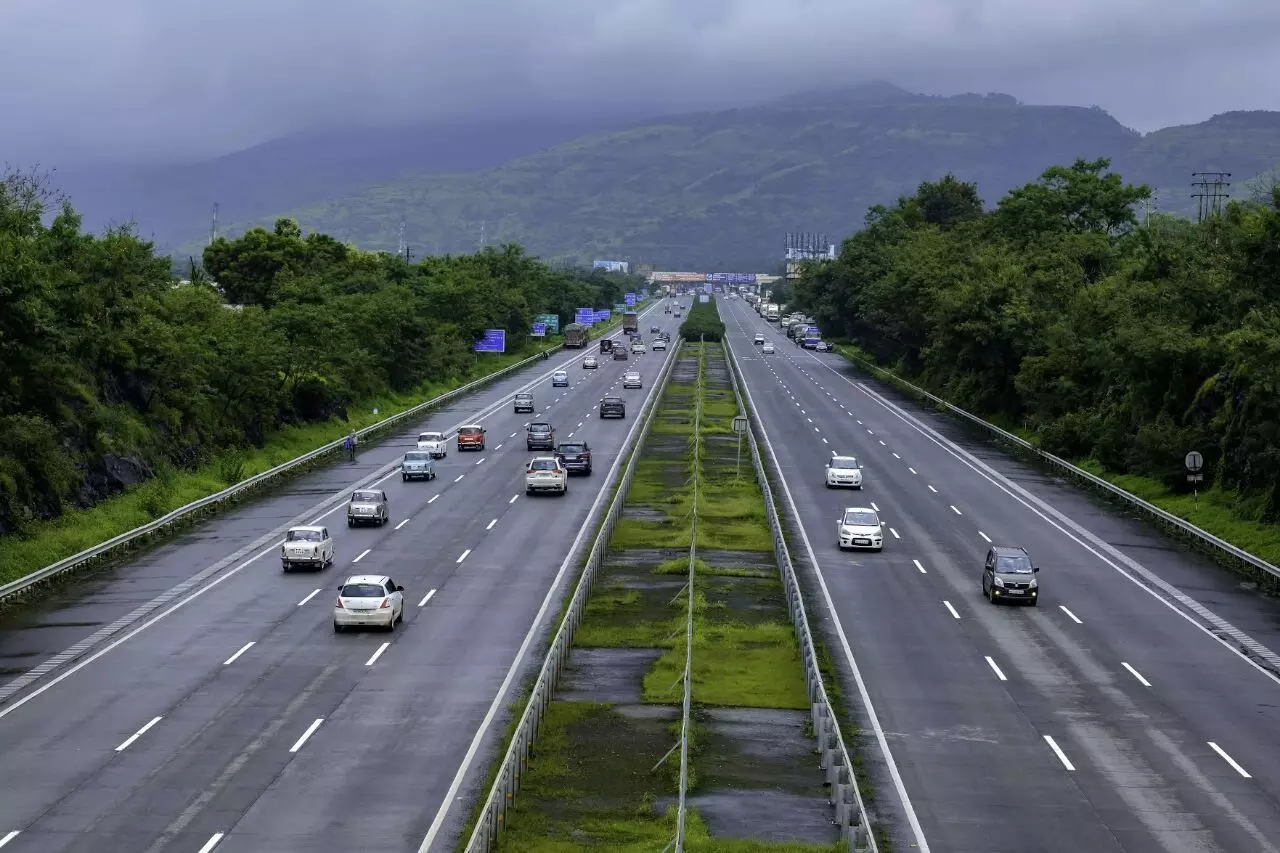

The art of driving is far more than mechanical skill—it is a blend of vigilance, etiquette, and nuanced judgment that transforms each journey into a unique opportunity for safety and satisfaction. As our vehicles grow more intelligent and roads more demanding, the essential wisdom behind mindful driving remains a steadfast companion. Whether you’re a novice eager for mastery or a seasoned commuter refining your craft, these refined driving tips are designed to inspire confidence, grace, and an unwavering commitment to the road.
Setting the Foundation: Mindful Preparation
Ready Yourself for the Journey
-
Begin with a calm, focused mindset. Attitude is as vital as ability—impatience and distraction can set the day on a path to risk.
-
Declutter the cabin. A clean interior reduces visual chaos and keeps focus on the drive.
-
Program your destination and media in advance, minimizing digital distractions while in motion.
Vehicle Checks That Make the Difference
-
Inspect tire pressure and tread regularly; well-maintained tires are foundational to grip, safety, and efficiency.
-
Assess fluid levels—oil, coolant, washer, brake—before long drives to prevent unpleasant surprises and mechanical issues.
-
Confirm that all lights and signals function properly, especially in poor visibility conditions.
Core Techniques: The Language of the Road
Mastering Speed and Spacing
-
Respect posted speed limits, but adjust your pace in response to weather, traffic, and local conditions. True control knows when to yield, not just accelerate.
-
Employ the three-second rule: maintain at least three seconds’ space from the vehicle ahead, increasing the gap in rain, fog, or darkness.
-
Smooth, anticipatory braking and acceleration enhance comfort, save fuel, and extend your vehicle’s lifespan.
Lane Etiquette and Positioning
-
Center your vehicle within your lane, avoiding sway and minimizing distractions to other drivers.
-
Signal every turn or lane change early—communication is fundamental to cooperative road use.
-
Avoid unnecessary lane changes in heavy traffic; steady progress outweighs impatient weaving.
Defensive Awareness
-
Continuously scan ahead and to the sides, noting not just immediate actions but potential risks—children at curbside, blinking taillights, or erratic movement several cars ahead.
-
Maintain an “escape zone”—space on at least one side—whenever possible, so you have room to maneuver if needed.
-
Expect the unexpected from others: assume mistakes and remain prepared to compensate graciously.
Navigating Common Challenges with Finesse
Urban Driving
-
Be vigilant for vulnerable road users—pedestrians, cyclists, and scooters—especially at crossings.
-
Watch for sudden stops and unpredictable maneuvers in city congestion. Patience is a virtue both for safety and composure.
-
Yield willingly at intersections; often a few seconds of courtesy avert minutes of frustration later.
Highway Excellence
-
Use cruise control where appropriate to maintain a steady speed, easing fatigue and promoting consistency.
-
Plan overtakes carefully: ensure ample visibility ahead, check mirrors and blind spots, and signal intentions well in advance.
-
Schedule rest breaks every two hours to maintain focus and reduce the risk of drowsiness.
Weathering Adversity
-
In inclement weather, slow down and increase following distance. Wet or icy surfaces demand twice the caution.
-
Use headlights (not high beams) in fog, rain, or dusk to enhance visibility without blinding others.
-
If visibility is severely compromised, find a safe location to wait until conditions improve.
Technology as a Trusted Companion
-
Familiarize yourself with your vehicle’s driver-assist features—automatic emergency braking, lane keeping, adaptive cruise control—but do not substitute technology for vigilance.
-
Keep your vehicle’s software and navigation systems up to date for optimal function and safety.
-
Use hands-free systems wisely; if a call, navigation, or media must be adjusted, pull over or wait for a traffic stop.
Emotional Mastery Behind the Wheel
-
Practice patience, even when confronted with rudeness or aggressive maneuvers. Your primary responsibility is to safety, not to “educate” others in real time.
-
If stressed or angry, take a moment to breathe or pause your journey—emotional regulation is a hallmark of skilled driving.
-
Acknowledge acts of courtesy with a nod or wave; such small gestures cultivate road harmony.
Lifelong Learning: Elevate Your Practice
-
Refresh your knowledge of local traffic laws periodically; changes in rules and infrastructure can be subtle but significant.
-
Seek out advanced driving courses, especially for winter navigation, defensive driving, or track days—there is always more to master.
-
Reflect after close calls or unfamiliar situations. Honest evaluation fosters continuous improvement.
The Journey as Reflection
Each trip, however brief, is an occasion to practice poise, foresight, and skill. By weaving careful preparation, attentive technique, and thoughtful responsiveness into your driving habits, you become both a guardian and an ambassador for everyone on the road. Cultivate these tips not merely as a checklist, but as ongoing expressions of the craftsmanship and civility that elevate every mile—transforming driving from mundane necessity into a daily art.

Comments are closed.